The bylines are pen names
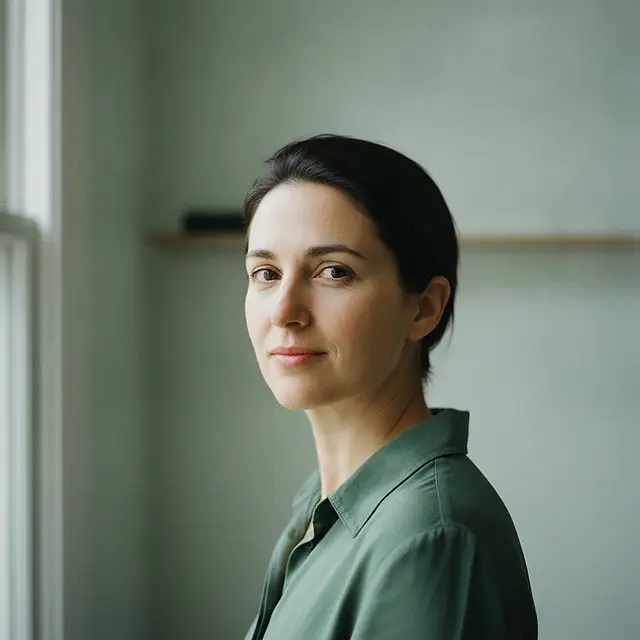
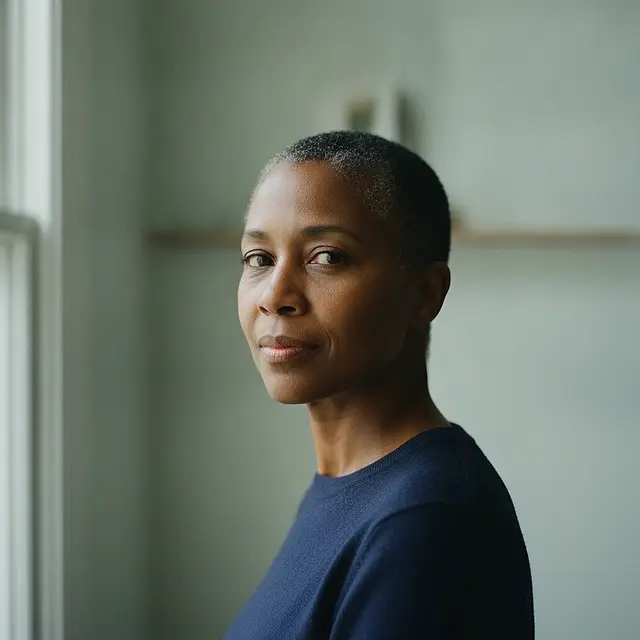
Two names appear on the articles here. They are pen names used by the editorial team, in the ordinary way a magazine uses a house byline, so that a reader can tell which part of the site a page belongs to. The portraits at the top of this page are not photographs of living people: they are illustrations generated with an AI tool, labelled as such wherever they appear, and they are there to give a byline a face rather than to tell you whose.
We are stating that here rather than leaving you to work it out, because the alternative is the thing this subject is full of: a warm photograph and a first-person story attached to advice assembled from the same public sources as everybody else’s. A pen name that says it is a pen name is honest. A stock face with an invented biography is not.
Who writes this
Each name owns a part of the site, writes in its own voice, and answers for the pages it signs. The two voices are not interchangeable, and that is the point: the questions in one half of this subject are not the questions in the other.
Rae Whitfield
Editor · dating and re-partnering
I have the dating half of this site, which in practice means I read the questions people type late at night and then refuse to answer them the way they were asked. Almost nobody searching for how long to wait wants an interval. They want permission. I cannot hand out permission, so what I do instead is set down what tends to happen, in what order, and leave the reader to decide whether any of it is them.
The slow part of the work is not writing, it is throwing things out. This genre runs on rules that sound measured and were invented by somebody who needed a paragraph to land harder, and every draft that reaches me arrives carrying a few of them. Cutting them leaves a thinner page. I would rather publish the thinner page and say plainly that nobody has counted the thing you are asking about.
What I am not: qualified, credentialled, or writing from a marriage of my own that ended. I am a pen name over an editorial desk, and that is stated here rather than buried because the alternative — a warm face with a borrowed story attached to advice assembled from public sources — is exactly what makes this subject so hard to search honestly. My name on a page means somebody is answerable for it. It does not mean you should take my word over whatever the page cites.
What people actually ask
The question in the search box is rarely the question. Someone asking when it is acceptable to start is usually asking whether they are a bad person for wanting to, and someone asking how to read a man who is newly out of a marriage is usually asking whether they are about to be the bridge to somebody else. I write the page for the question underneath, then answer the one on the surface in the first lines so nobody has to hunt.
What gets cut
Intervals nobody measured. Readiness tests. Any sentence that grades the reader. Any line about an ex that reads as strategy rather than description — this site does not coach people into positions against somebody who is not here to answer. And every statistic that could not be traced back to whoever counted it, which is most of the ones this niche repeats.
Where I stop
At money, property, custody, filing and anything with a court date attached. Not out of caution for its own sake: the honest answer to those questions depends on facts about your own household that a page cannot see, and a paragraph that sounds like help there is worse than silence. So the page says so and stops, and points at the kind of professional whose job it actually is.
Writes: Dating again · Dating a divorcee · Mid-divorce
Miriam Osei
Editor · life after divorce and the numbers
I have the half of this site that is not about dating: what the ordinary week looks like once the paperwork is finished, what is different when a long marriage ends late, and the pages where the figures live. It is the quieter half. It is also the half where a careless sentence costs a reader time or money they do not get back, so I write it slowly and I check it twice.
My working habit is to distrust a figure until I have found the people who counted it. That sounds like diligence and is mostly tedium: reading a methodology note to see who was included, who was excluded, which country they were in, and what the question on the form actually said. It is how I discovered that the most repeated claim about marriages ending has no counted population behind it at all. When that happens the finding goes up here too, on the list of what we rejected, because a reader is owed the figures we could not stand behind as much as the ones we could.
Like the other name on this site, mine is a pen name, and there is no qualification behind it — no licence, no practice, and no divorce of my own to write from. What I do have is the willingness to end a page by saying that the answer turns on facts only your own solicitor or accountant can see, and then to stop there rather than fill the gap with something shaped like help.
Where the figures come from
Every number on these pages names whoever counted it, when, and which population they were counting, or it does not appear. The gate that enforces that is mechanical rather than editorial, which is the point — it does not get tired and it does not make exceptions for a paragraph that would have landed beautifully with a figure in it. The rejected list is published beside the approved one.
What the weeks actually do
The change people are least prepared for is administrative, not emotional. A calendar that is no longer yours alone. A form that asks a question the household no longer has a single answer to. A social circle that was built as a pair and now has to be rebuilt one person at a time. None of it is a crisis and all of it needs somewhere to be put, which is what these pages are for.
Where a page must stop
Anything touching pensions, property, filing or a child arrangement is a question for somebody in your own jurisdiction who can see your papers. I will describe what the shape of the decision usually is, because that much is honest and it makes the professional conversation shorter. I will not guess at the decision itself, and I will not imply that reading carefully here is a substitute for asking there.
Writes: Life after · After 50
Both names are pen names, and they belong to this site’s editorial team rather than to biographies you could look up. They exist so that a page has somebody answerable for it, and neither the names nor the portraits at the top of this page are meant to lend a sentence weight the sentence has not earned. There are no credentials behind either one: nobody here is your solicitor, your accountant or your therapist, and no page is written as though it were. The portraits at the top of this page are not photographs of living people — they are illustrations, generated with an AI tool and labelled as one wherever they appear, and they exist to give a byline a face rather than to tell you whose. If a sentence here is wrong, the fastest route to fixing it is the contact page with the page address and the sentence you are disputing.
What this is
A reference site about dating and life after a divorce. It answers the questions people actually type, in the order they tend to arrive: when to start, how to read someone who is newly out of a marriage, what the first year does to a week, and what changes after fifty.
Every page opens with the answer in about fifty words, followed by the part that makes it honest rather than tidy. That structure is the site.
What we are not
Not therapists, not counsellors, not lawyers, not coaches with a programme. Nobody here has letters after their name in this subject, and no page will imply otherwise. What the site does is narrower: read the primary sources, read the questions, and write down what can honestly be said — including, often, that the answer depends on facts only your own professional knows.
If a real person with real experience ever contributes here, they will appear as a named, dated, confirmed quotation and nothing else.
Where the numbers come from
Every figure on this site is traced to a named primary source with a year before it is published, and the ones that could not be traced are listed too — including the one everybody repeats about half of all marriages, which turns out to have no source behind it. The full list, and the list of what we rejected, is on the sources page.
How this site makes money
Some links to dating services are affiliate links. They never change what is recommended, what order things appear in, or what a review says. Where a service is not worth using, the page says so and does not link to it.
What this site will not do
It will not give legal advice. Anything touching money, property, custody, pensions or filing goes to a solicitor or attorney in your own jurisdiction, and we will say so rather than guess. It will not give therapeutic advice or diagnose anybody, and it will not tell you that your marriage ended for a reason.